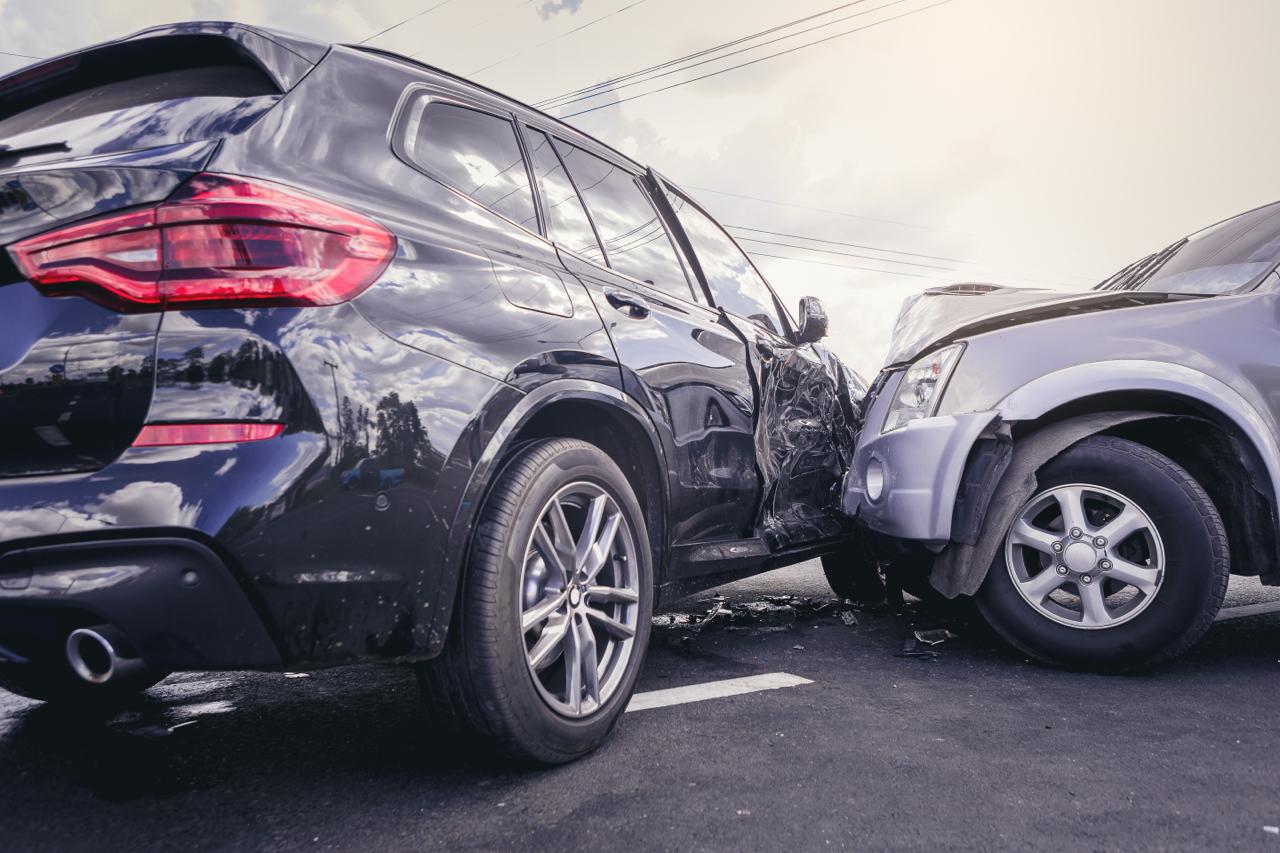
You might be dealing with a car that has a seized engine or a transmission that slipped its last gear. Maybe you were in an accident and the insurance company declared the vehicle a total loss. Perhaps your mechanic just quoted you $4,000 for a repair on a vehicle worth $2,500. These moments hit hard. You need a solution fast. The smart move is selling a wrecked car for salvage in Canada.
We see this scenario every single day. Over the years, people ask us the same questions right before we arrive. What paperwork do I need? Should I remove my plates? Can I keep that part in the trunk?
We built this guide from real experience, because we know that preparation makes the whole process faster and smoother for you. Ready to sell your junk car without the headache? Let’s walk through what you need to do before we show up.
1. Understand Your Junk Car Value
The final price when selling a wrecked car for salvage in Canada depends on a mix of vehicle specifications and external market forces. It is not a guessing game.
This calculation includes the raw weight of materials like steel and aluminum, the specific make and model, and the current mechanical condition. External factors like local demand for parts and global scrap metal prices also affect the payout. Understanding these variables ensures you recognize a fair deal when you see one. Check this article to learn more. [Hyperlink to new ‘Top 5 Factors That Affect a Junk Car Value’ blog post]
2. Consider Fixing Small Issues
You do not need to overhaul the transmission, for example, but strategic repairs change how scrap buyers perceive your vehicle.
Consider simple fixes. Inflate the tires so the car rolls easily. Top off fluids to show the systems hold pressure. If you have a working battery sitting in your garage, swap it in to get the engine turning. These low-cost adjustments prove the car functions. They move your vehicle from the “scrap metal” category to the “selling a wrecked car for parts” category, which puts more cash in your hand.
3. Get a Scrap Car Quote
You need to call multiple local scrap car buyers to find the best deal. One yard might view your car as scrap metal, while another desperately needs the engine for a customer.
Compare the full package, not just the price tag. Ask specifically:
- If towing is free
- How do they pay: In hand by cash? Check? Other methods?
- When they have availability to show up
We recommend gathering at least three quotes, weigh the convenience against the cash, and pick the winner.
4. Choose a Licensed Junk Yard
Not all salvage yards play by the rules. Choose a licensed auto recycling facility that follows environmental regulations and proper disposal guidelines. This matters because they might dump hazardous fluids into the ground or improperly handle batteries and other materials that damages the environment and breaks laws. They might also fail to process the transfer paperwork correctly. If you are not sure, ask about their recycling process.
Licensed yards like Kenny U-Pull follow strict compliance standards and environmental guidelines, ensuring safe drain and disposal of toxic materials, recovery of usable parts, and material recycling. Working with a verified business guarantees the transaction is legal, safe, and final.
5. Prepare Ownership Documents
Before closing any deal, you need to prove the car belongs to you. A valid title for registration is required. No documents? Contact your local licensing office immediately to obtain a duplicate and confirm you have the right to sell the vehicle. This is a step that protects both parties from fraud.
Here’s a list:
- Certificate of title
- Vehicle registration
- Bill of sale
- Personal ID
6. Cancel Any Insurance Policy
Insurance costs enough already, so imagine paying for a vehicle that no longer exists. As soon as your vehicle is towed away and the ownership is transferred, call your insurance provider to tell them you sold the vehicle and request to cancel your coverage to stop future charges.
Here’s the bonus: if you paid your premium in advance, you can probably get money back. Most companies refund the unused portion of your coverage. That’s cash in your pocket for a service you no longer need.
7. Remove License Plates
If you leave your license plates attached when selling a wrecked car for salvage in Canada, someone can grab your plates and use it on another vehicle. Now your license plates connect you to that car. Guess who becomes liable for whatever happens next? You do, because you remain the legal owner on paper.
Avoid this nightmare by simply pulling those plates off before we arrive. You then have two simple options: Return them to your local registry office or transfer them to another vehicle you own. It’s a simple step that protects your legal standings.
8. Get Your Personal Belongings
We often find forgotten items in cars destined for the scrapyard, like sunglasses, umbrellas, wallet, spare house keys, and jackets. Everything that remains on the vehicle will also be scrapped and we’re sure you don’t want to lose any valuable belongings.
Here’s a list of places you need to check before getting rid of your junk car:
- Under seats
- Between armrests
- The backseat and trunk
- Behind the sunshade
- The top of the dash
- The glove box
- Everywhere else you can remember
What’s Next?
Now that you have searched for your personal items, removed the license plates, located the title, picked a licensed recycler, you are ready for the next move: sell your junk car! These steps protect you legally, save you money, and speed up the entire process when selling a wrecked car for salvage in Canada. Ready to turn that clunker into cash? Kenny U-Pull makes selling your junk car simple and stress-free, providing competitive prices and fast, professional removal. Get your free quote now and turn that junk car into cash.