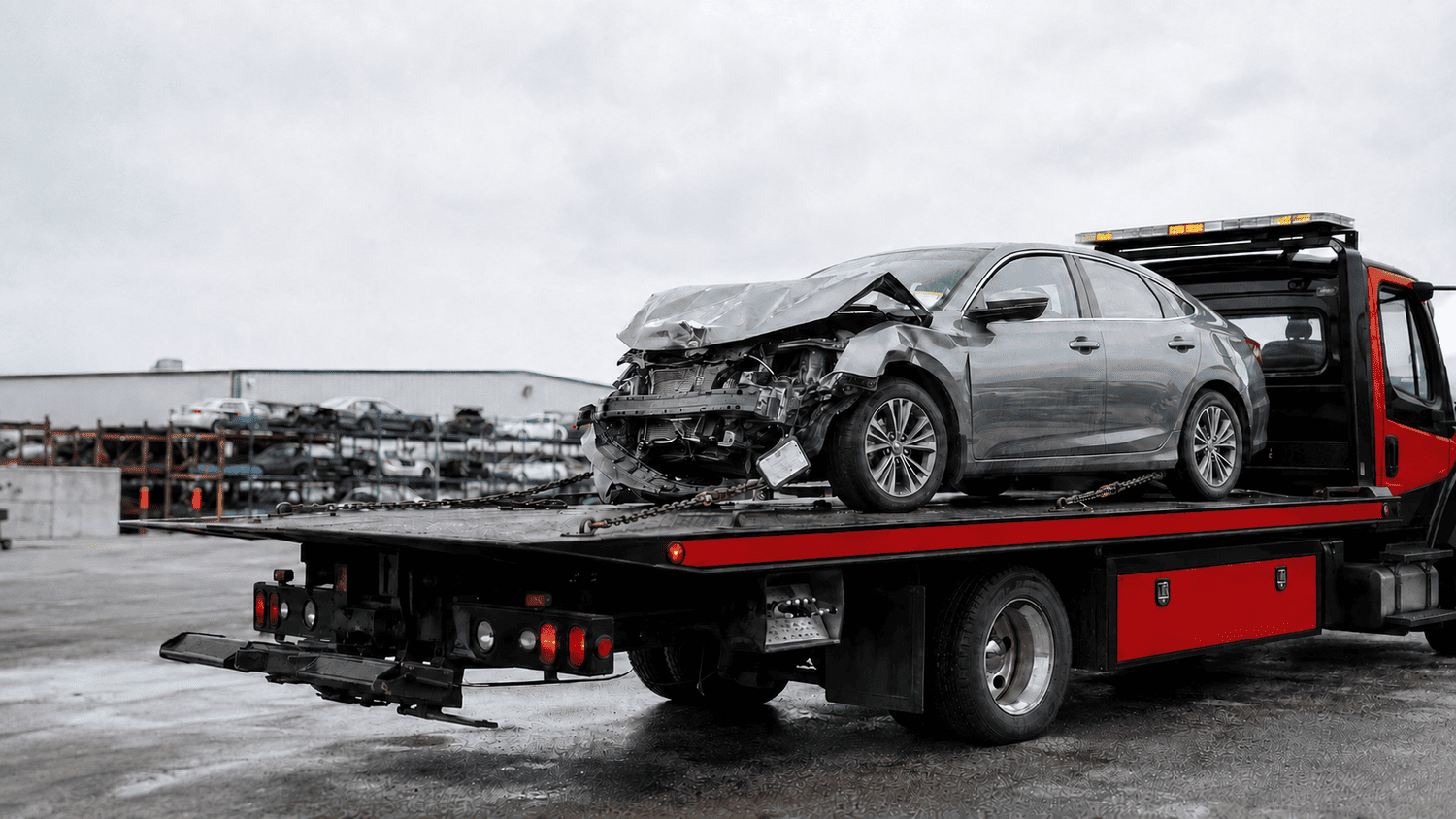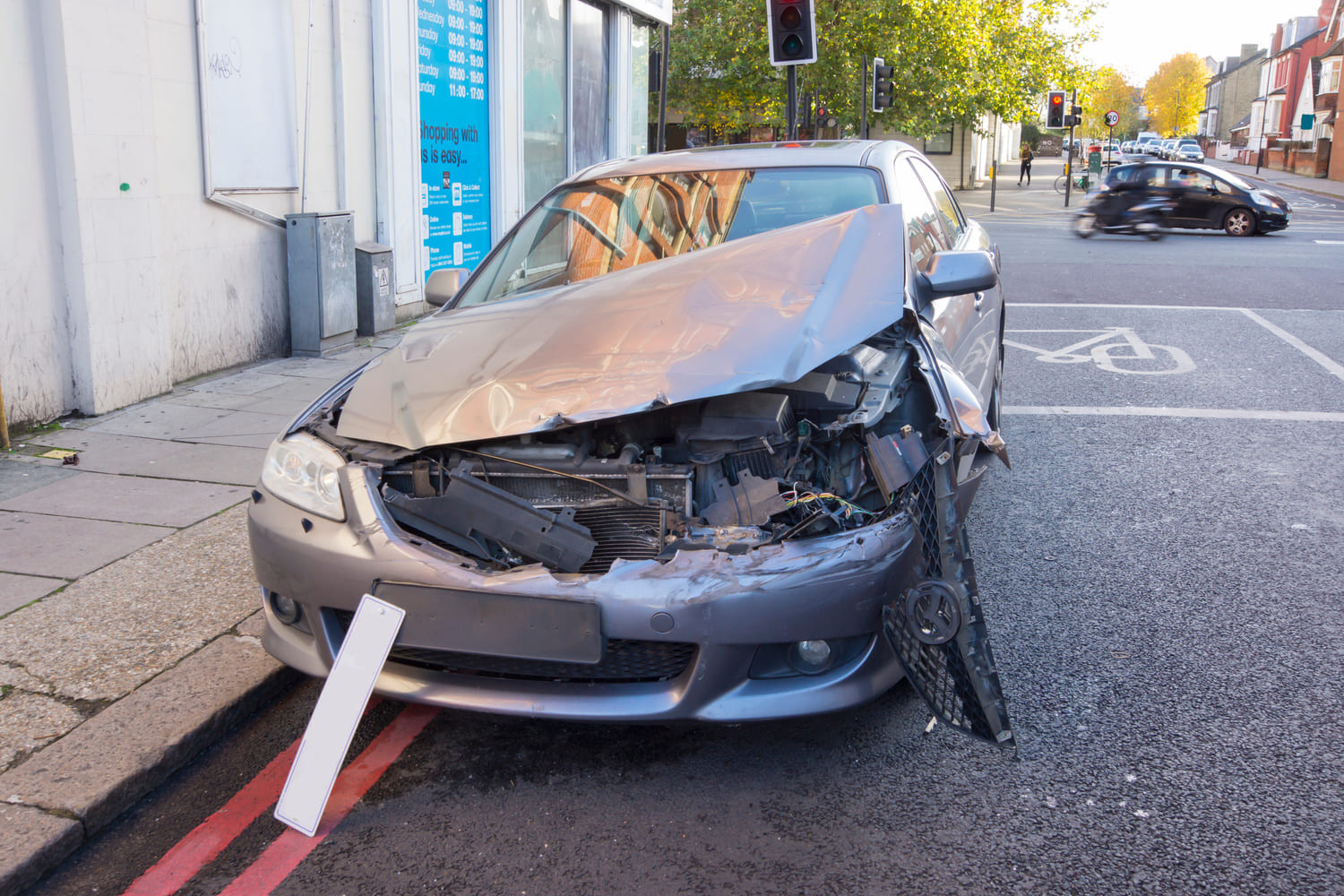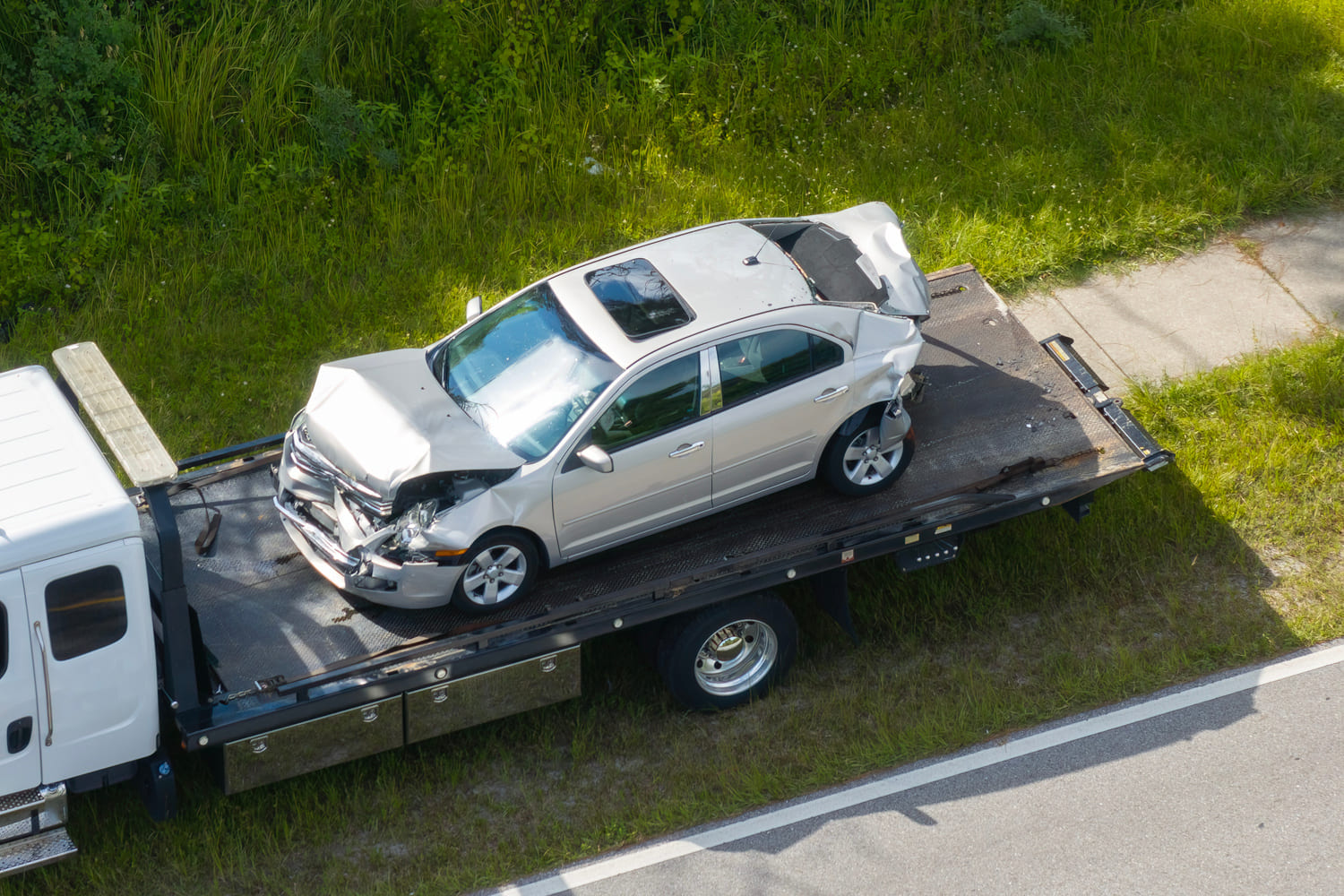
If you’re getting ready to sell a car for scrap metal, you’ve probably asked yourself one question: “Should I remove valuable parts first, or leave the car exactly as it is?”
Many car owners believe they will make more money by taking off parts and selling them separately. It sounds like a smart plan; after all, a set of wheels, a battery, or a working alternator all have value on their own.
The reality is not always that simple. In many cases, removing parts from an old car or other scrap cars lowers the amount a scrapyard is willing to pay. Before you decide to sell your car for scrap metal, it’s important to understand how scrap yards calculate value and when removing parts actually makes sense.
Why People Remove Parts Before Scrapping
The idea usually comes from a do-it-yourself mindset. If you’ve repaired your own vehicle before, removing a few parts doesn’t seem difficult. Online marketplaces like Craigslist also make it look easy to sell used car parts to local buyers.
Some vehicle owners see listings for engines, doors, mirrors, or wheels and assume every part will sell quickly for good money.
The problem is that selling parts takes time. You need to remove them without causing damage, clean them, photograph them, answer messages, negotiate prices, and arrange pickup. Even then, there is no guarantee someone will buy them.
For many people, the time and effort outweigh the extra money they hoped to earn.
How Scrap Yards Actually Value Cars
Scrapyards look at vehicles differently from private buyers.
First, they consider whether the vehicle contains reusable parts that other customers want. Items like doors, headlights, engines, transmissions, and interior components often have resale value if they are still in good condition.
Second, they look at the vehicle’s overall weight because scrap car recycling and metal recycling remain an important part of the process. A complete vehicle generally offers more value than one with major components removed. Auto recyclers also recover fluids and materials before recycling the remaining metal, helping reduce waste and keep useful parts in circulation.
When major parts are missing, the vehicle becomes less valuable. There are fewer reusable components, less recyclable material, less metal content, and sometimes more work involved before processing begins.
Parts That Usually Reduce Scrap Value When Removed
If you plan to sell your car for scrap metal, leaving the vehicle as complete as possible often leads to a better offer.
Removing valuable parts such as these often reduces the price:
- Doors
- Wheels and tires
- Engine components
- Complete engine
- Transmission
- Catalytic converter
- Battery
- Alternator
- Starter
- Radiator
- Seats
- Tail lights and headlights
- Mirrors
- Hood and trunk lid
Each missing part reduces what the recycler receives from the vehicle. Even if you successfully sell one or two parts yourself, the lower scrap offer can cancel out much of that extra income because the vehicle has less metal value.
When Removing Parts Makes Sense
There are situations where selling a wrecked car for parts is worth the extra effort.
For example, you already have a buyer waiting for a specific part. If someone wants your aftermarket wheels or a replacement engine, selling that item first can increase your total return.
It also makes sense if you are not in a hurry. Selling parts one at a time takes patience. Some items sell within days. Others sit for months before finding a buyer.
This approach works best when:
- You have a secure place to store the vehicle.
- You have the tools and experience to remove parts safely.
- You have time to create listings and respond to buyers.
- You don’t need immediate payment.
For people who enjoy working on vehicles, dismantling a car can be worthwhile. Just remember that every part you remove changes the value of what remains.
When It’s Not Worth It
For most vehicle owners, keeping the car complete is the easier and more profitable choice.
A complete vehicle is simpler to inspect, easier to tow, and faster to process. That often leads to a smoother sale.
Removing parts creates extra work before the vehicle even leaves your driveway. Missing wheels can complicate towing. Missing engine components or major body panels reduce the overall offer. If the car sits for weeks while you try to sell parts, you also lose valuable time.
If your goal is to clear space, avoid ongoing storage, and receive payment quickly, dismantling the vehicle usually creates more problems than benefits.
Instead of spending weeks dealing with multiple buyers, you complete one transaction and move on.
Get the Best Value Without the Extra Work
Every vehicle is different, but in many cases, leaving it intact results in the strongest overall offer. Scrap yards evaluate the complete vehicle, including reusable parts and recyclable materials, rather than just the remaining metal.
Before you start removing parts, compare the time, effort, and possible loss in scrap value against what you expect to earn from private sales.
If you’re ready to sell your car for scrap metal, request a quote from Kenny U-Pull first. You’ll know exactly what your complete vehicle is worth before deciding whether taking parts off is worth your time. That makes it easier to choose the option that puts the most money in your pocket with the least hassle. Be sure to have your vehicle title and other required paperwork prepared before completing the sale, as legal requirements vary by state or province.