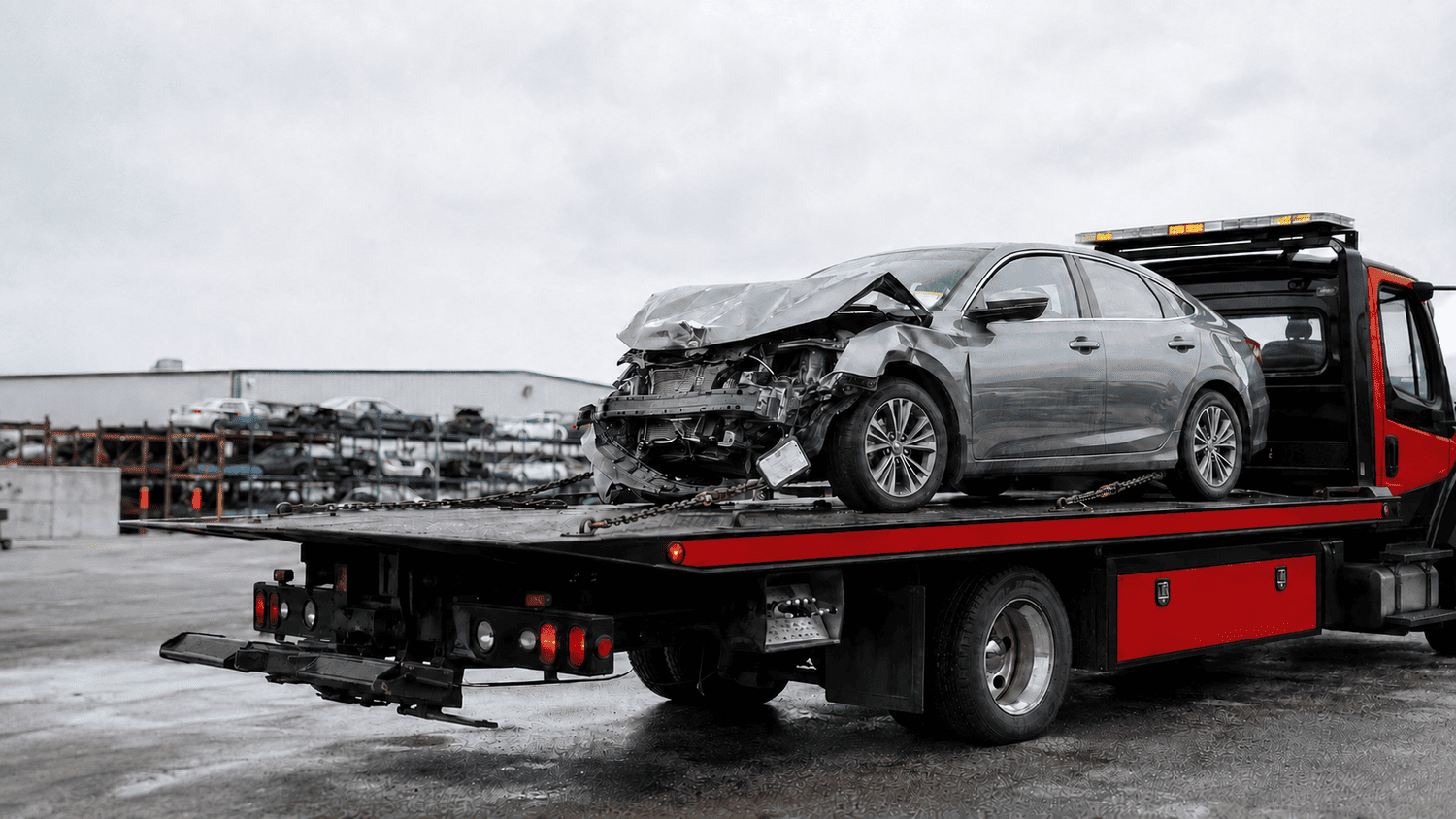
A serious collision can leave you with a repair estimate that feels impossible, what your insurer calls the car a total loss.
A totalled car isn’t always destroyed beyond repair. It means the insurer has decided that repairing it is unsafe or doesn’t make financial sense. You then need to decide whether to release the vehicle, keep it, repair it, or sell the totalled car for cash.
What Does Totalled Mean?
A vehicle is totalled when an insurance company treats it as a total loss. This usually happens when the expected repair bill is too high compared with what the vehicle was worth before the damage.
Your car can still start or look repairable and receive this decision. Hidden damage can affect the frame, wiring, airbags, steering, and other safety systems. “Totalled” and “written off” usually describe the same insurance decision.
Totalled Car vs Salvage Title
A total loss is an insurance decision. A salvage title, brand, or status is part of the vehicle’s official record.
After an insurer writes off a vehicle, the province determines how it will be classified. A repairable vehicle can receive a salvage or severely damaged status. A vehicle that can’t legally be rebuilt can receive an irreparable status.
The terms vary across Canada. Understanding how a salvage title affects a vehicle helps explain the difference between salvage, rebuilt, and irreparable classifications.
How Insurance Companies Determine a Total Loss
An insurance company reviews the vehicle and collects a repair estimate, and then considers:
- The vehicle’s value before the loss
- The estimated cost of parts and labour
- Its value in damaged condition
- Hidden damage and repair safety
The exact rules differ by province and insurer. Ontario regulations, for example, define a total loss by comparing the repair cost with the difference between the vehicle’s fair market value before the damage and its salvage value. Insurers also look at age, mileage, condition, options, and prices for comparable vehicles.
Common Reasons Vehicles Are Totalled
- Collision damage: A hard impact can bend the structure, damage suspension parts, deploy airbags, and crush body panels.
- Flood damage: Water can reach wiring, computers, upholstery, and safety systems.
- Fire damage: Heat can weaken metal and destroy wiring, hoses, electronics, and interior materials.
- Theft: A stolen vehicle can be written off when it isn’t recovered or returned, stripped and badly damaged.
- Severe weather: Hail, falling trees, ice, and storm debris can create a repair bill higher than the car’s value.
- Expensive parts: Cameras, sensors, lights, and safety equipment can make a small-looking crash costly to repair.
Can You Keep a Totalled Vehicle?
In some cases, yes. Discuss this option with your insurer before accepting the settlement. If the insurer allows you to keep the vehicle, the settlement will reflect the value of the damaged car you retain.
A financed or leased vehicle adds another issue because the lender or leasing company has a financial interest in it. Insurance settlements for these vehicles generally go to the lender or leasing company first.
Keeping the car doesn’t mean you can drive it. You still need to follow provincial branding, inspection, registration, and insurance rules.
Can You Repair a Totalled Car?
You can repair a totalled vehicle when its official status allows rebuilding. The work must meet provincial safety rules, and the vehicle must pass every required inspection before returning to the road.
When Repairing a Totalled Vehicle Doesn’t Make Financial Sense
Do not rely only on the first body shop quote. Add towing, parts, labour, inspections, storage, registration costs, and hidden damage.
Repairing often makes little sense when the structure is badly damaged, water reached major electrical systems, or the finished vehicle will be worth less than your total cost. Comparing the numbers behind repairing or junking your car helps you avoid spending more than the vehicle is worth.
How Much Is a Totalled Vehicle Worth?
A totalled car still has value through reusable parts, mechanical components, tires, wheels, batteries, and recyclable metal.
The amount depends on the make, model, year, condition, location, missing parts, and demand. A complete vehicle with a working engine or transmission often has more value than a stripped shell.
To understand an offer, learn how your car’s salvage value is calculated. Salvage value is the amount that can be recovered from a damaged vehicle through resale, parts, or recycling.
Selling a Totalled Vehicle for Cash
Selling is often the simplest option when you don’t want to manage repairs, inspections, storage, and private buyers.
An auto recycler can buy the vehicle for its parts and materials, even when it no longer runs. Kenny U-Pull’s cash for cars service includes free vehicle pickup and payment when the car is collected.
Before selling, make sure you have the right to transfer the car. Keep your identification, ownership papers, keys, and any lien release documents ready.
How the Totalled Vehicle Selling Process Works
Start by sharing the vehicle’s year, make, model, location, and condition. These details help us prepare an offer.
After you accept, arrange pickup, remove your belongings, and prepare the paperwork. The driver checks the vehicle and documents before taking it away. Knowing how junk car removal works helps you prepare and understand what happens after the vehicle reaches the recycling yard.
Where to Sell a Totalled Vehicle Near You
Choose a buyer that explains the offer, checks the paperwork, and arranges safe removal. Kenny U-Pull serves drivers through local auto recycling yards in Gatineau, Sherbrooke, Trois-Rivières, and many other locations.
Get an Offer for Your Totalled Vehicle
A total loss doesn’t erase your car’s value, because usable parts and recyclable materials still matter.
Gather your vehicle details and ownership papers, then request an offer. You can clear the damaged car from your property, avoid another repair bill, and recover cash from a vehicle you no longer need.