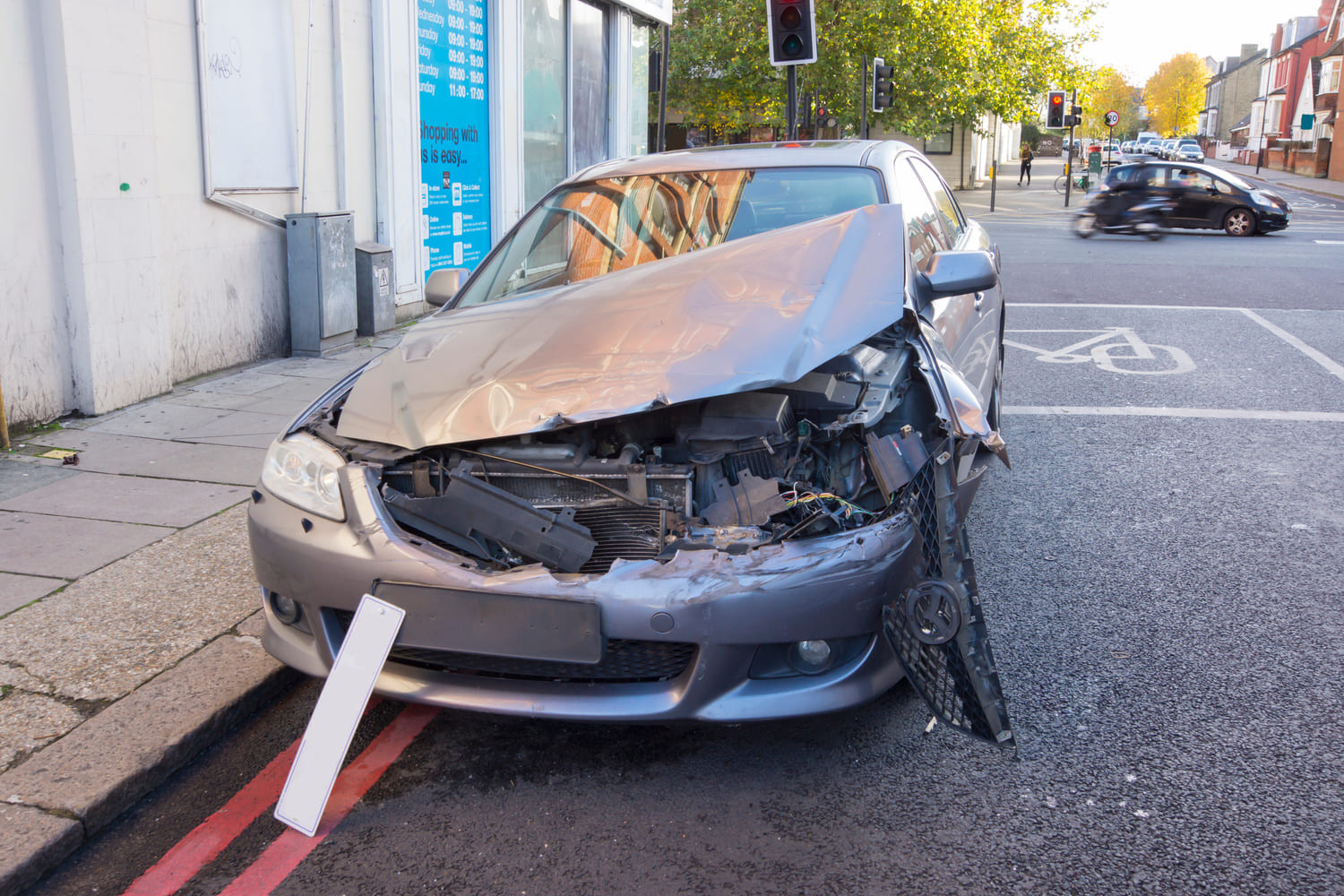
A significant collision can instantly change the value of your vehicle. If you’re looking for how to sell a salvage car for cash, you’ll need to know what a salvage label represents first.
What Does a Salvage Title Mean?
A “salvage title,” also known as title brand or status, indicates that a vehicle has suffered extensive damage and is now ineligible to operate on public roads in its current condition, but still qualifies for repairs. Once the salvage label has been applied to the vehicle’s record, potential buyers will be informed of the vehicle’s history.
Typically, insurance companies assign the salvage designation once they’ve determined the vehicle is a complete loss due to either the cost of repairs approaching or exceeding the vehicle’s value before damage. By understanding what makes a car totalled, you will understand why an insurer has chosen not to repair it.
Note that a salvage vehicle is not the same as an irreparable vehicle. A salvage vehicle can be driven again on public roads after the necessary repairs and after complying with required inspections, while an irreparable car can only be used for parts or recycling.
How Vehicles Receive Salvage Titles in Canada
An insurer often reports a vehicle after deciding that proper repairs cost too much compared with its value before the damage. The provincial registration authority then records the correct brand or status of the vehicle based on the information provided by the insurer.
Terminology differs per province. For example, Ontario utilizes terms “salvage”, “rebuilt” or “irreparable”. It also uses “none” for vehicles that don’t have one of these damage brands. Likewise, Quebec utilizes terms “severely damaged”, “rebuilt” and “irreparable”. Consult the specific province where you reside before taking action.
Common Reasons a Vehicle Is Given a Salvage Title
Major Collision Damage
Collision damage can result in bent frames, crushed body panels, damaged steering parts, or deployed airbags. Although the engine may continue to function properly, there may be substantial structural and safety-related damages that make restoration impractical due to the costs.
Flood Damage
Water may enter wiring, control units, seats, and other hidden areas within the vehicle. As such, flood-related damage may extend far beyond visible signs. Flooded vehicles are classified as irreparable across Canada, which means they can’t be repaired and must be recycled or used only for certain parts.
Fire Damage
Fire can weaken metal, burn out wiring, and destroy critical safety equipment. Smoke and water used to control the fire can create additional damage.
Theft Recovery
Stolen cars may return with missing parts, broken locks, damaged wiring, or collision damage. If repair estimates exceed the original purchase price, the insurer may classify it as a total loss. All three forms of severe damage (collision, flood, and fire) qualify for designation as a salvage vehicle.
Salvage Title vs Rebuilt Title
A salvage vehicle has not completed the mandatory repair and inspection process. A rebuilt vehicle has been repaired, inspected, and approved under provincial rules.
In Ontario, a salvage vehicle cannot be registered as fit to drive. It must pass the required structural process before receiving a rebuilt brand. In Quebec, a severely damaged vehicle needs a technical appraisal and mechanical inspection before it can return to the road.
The rebuilt label doesn’t erase the damage history. In provinces like Nova Scotia, a rebuilt title remains on a vehicle throughout its operational life.
Can You Drive a Salvage Vehicle?
You can’t use a salvage vehicle for regular road travel until it complies with provincial regulations regarding repair, inspection, registration, and insurance rules. Although the engine may continue to operate properly, it may contain other defects, including brake failure, steering failure, non-deployment of airbags, malfunctioning sensors, and frame issues. It’s safer to tow the salvage vehicle until it receives official approval.
How Salvage Titles Affect Vehicle Value
A salvage title lowers a vehicle’s value because buyers take on more risk. They need to consider past damage, future repairs, inspection costs, and possible insurance limits.
The final offer also depends on the vehicle’s age, make, model, condition, missing parts, and demand for reusable components. These are some of the same factors used to determine junk car value across Canada.
Even when the vehicle no longer makes sense to repair, its engine parts, body panels, wheels, and recyclable metal can still have value.
Is It Worth Repairing a Salvage Vehicle?
Firstly, calculate all costs associated with restoring your vehicle. Make sure to include all estimates for labour, parts, towing, inspection, provincial registration fees, and any hidden damage found after work begins.
Repairing the vehicle makes sense when the damage is limited, and the finished car will be worth more than the total amount you spend. Typically, major frame damage, flood damage, fire damage, and failed safety systems turn the repair into an expensive project.
Before investing more money, compare the real costs of repairing the vehicle vs sending it for recycling.
Can You Sell a Salvage Vehicle for Cash?
Yes, you can sell a salvage vehicle as long as you have the legal right to transfer it and can provide the required ownership records.
A private buyer may want the vehicle as a rebuilding project. A recycler will focus on the value of its usable parts and recyclable materials. This makes recycling a practical option when you don’t want to spend time and money on repairs.
Kenny U-Pull offers cash for cars in many conditions, including damaged and non-running vehicles. You can also donate your salvage car.
What Documents Do You Need to Sell a Salvage Vehicle?
Exact requirements vary, but prepare:
- Government-issued photo identification
- Vehicle ownership or registration documents
- The vehicle identification number
- Lien release proof when financing was attached to the car
- Any insurance or inspection records you have
A lender still has a legal interest in a car with active financing, so you need to resolve an existing vehicle lien before completing the sale.
Having your documents ready prevents delays and makes the transfer easier.
Where Can You Sell a Salvage Vehicle?
You can sell a salvage vehicle to an auto recycler, a private buyer, a licensed dealer, or a repair shop. Your best choice depends on the damage and whether the car still has realistic repair value.
For vehicles with major damage, an auto recycler often provides the easiest option, as you avoid repair costs, private listings, buyer negotiations, and repeated viewings.
Kenny U-Pull accepts vehicles through several branches. You can contact our team serving Montreal, bring your vehicle to the Laval branch, or arrange service near Quebec City through the Saint-Augustin location.
How Kenny U-Pull Buys Salvage Vehicles
The process starts when you provide basic details about your vehicle, including its make, model, year, location, and condition, so we can prepare an offer.
After you accept, our team arranges a pickup time, confirms your ownership documents, and collects the vehicle. Free towing means you don’t need to pay to move a car that is unsafe or unable to run.
Before the driver arrives, remove your personal belongings, collect your keys, and have your identification and ownership papers ready. Knowing what to expect during scrap car pickup helps you prepare and prevents last-minute delays.