If your car’s engine cranks but refuses to start or the car hesitates when you accelerate, your car may be experiencing a failing fuel pump that can’t deliver the fuel your engine needs at the correct pressure.
Knowing the common warning signs helps you find the problem before the car leaves you stranded.
What Does a Fuel Pump Do?
In simple words, the fuel pump moves fuel from the tank to the engine.
Most modern vehicles use an electric pump inside the fuel tank that supplies fuel at the right pressure required by the fuel injection system. If pressure drops too low, the engine can struggle to start, lose power, or stop running.
Common Symptoms of a Bad Fuel Pump
Engine Cranks but Won’t Start
This symptom is characterized by the starter turning the engine, but the engine never starting.
If the pump has stopped delivering fuel, it means the engine has nothing to burn. However, ignition and electrical problems can cause the same symptom, so testing is important.
Hard Starting
This can happen because a weak fuel pump may take longer to build enough pressure for the engine to start. You may need to crank the engine longer than normal or try starting it several times before it runs.
Sputtering or Hesitation
Your engine may stumble, hesitate, or feel like it briefly loses power, which often becomes more noticeable while climbing a hill or driving at higher speeds, because it’s when the engine needs more fuel.
Loss of Power During Acceleration
Hard acceleration increases fuel demand, and a weak pump may not supply enough fuel pressure, causing slow acceleration, hesitation, or a sudden loss of power when you press the gas pedal.
Engine Stalling
A failing pump can stop delivering enough fuel while the engine is running, leading it to stall unexpectedly and restart later, especially when the pump begins failing intermittently.
Whining Noise From the Fuel Tank
Electric fuel pumps normally make some noise, but a new or unusually loud whining sound from the tank deserves attention and can indicate pump wear, restricted fuel flow, or another fuel system problem.
What Happens When a Fuel Pump Completely Fails?
Once the pump stops working completely, fuel no longer reaches the engine at the pressure it needs, so the engine usually cranks normally but won’t start
If the pump fails while you are driving, the engine can lose power and stall.
Bad Fuel Pump vs. Battery, Starter, or Alternator
These problems can all leave you with a car that won’t start, but the symptoms are different:
- A weak battery often causes slow cranking, dim lights, rapid clicking, and you usually notice it when starting the car.
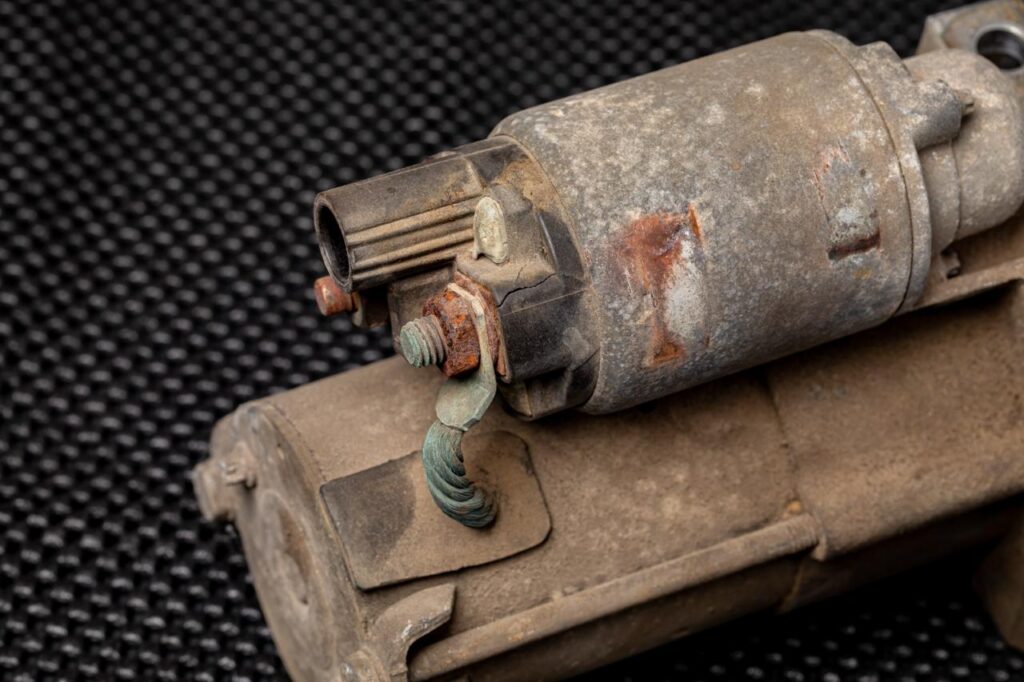
- A bad starter often causes clicking or no cranking at all. Read our guide to Bad Starter Symptoms for more signs.
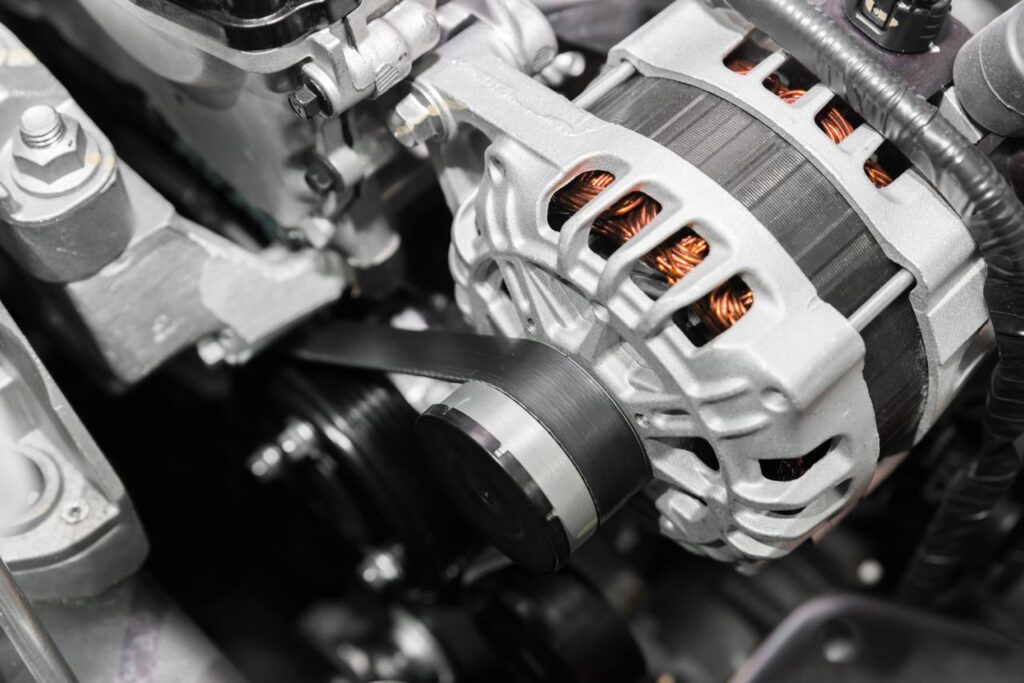
- A failing alternator often causes charging warnings, electrical problems, stalling, and often shows up when the engine is already running. Our Bad Alternator Symptoms guide explains the difference.
- With a fuel pump problem, the engine often cranks at normal speed but fails to start or runs poorly.
If the battery is the problem, check available used batteries at the Kenny U-Pull website.
What Else Can Cause Similar Fuel Pump Symptoms?
A bad fuel pump is not the only cause of poor fuel delivery. Other reasons include:
- Clogged fuel filter
- Faulty fuel pump relay
- Damaged wiring
- Bad injectors
- Ignition problems
- Failed sensors
These can all create similar symptoms, so before replacing the pump, confirm that fuel pressure is actually too low.
Why Do Fuel Pumps Fail?
Fuel pumps wear out after years of use. Other factors that can put extra stress on the pump and shorten its life are:
- Excessive heat, especially because many in-tank pumps use fuel around them for cooling
- Contaminated fuel
- Electrical problems
- Clogged filter
- Repeatedly driving with very little fuel
How to Test for a Bad Fuel Pump
Diagnosis often starts with a fuel pressure test where a technician can connect a pressure gauge and compare the reading with the manufacturer’s specifications. The electrical circuit, fuse, relay, wiring, and power supply to the pump should also be checked, while scanning the vehicle for trouble codes can provide additional clues.
Can You Drive With a Failing Fuel Pump?
Yes, but it’s risky because a weak pump can fail without much warning and cause the engine to stall, which means you can lose power while merging, crossing an intersection, or travelling far from home.
If the car regularly hesitates, loses power, stalls, or presents other fuel pressure problems, have it repaired.
Should You Buy a New or Used Fuel Pump?
Fuel pumps are wear items, so a new replacement often makes the most sense. A used pump has an unknown amount of wear and can be difficult to replace on vehicles where the fuel tank must be lowered.
Consider the labour involved and the condition of the used part before choosing based only on price.
Which Fuel System Parts Can You Find Used?
Some fuel system components are better candidates for used replacement than the pump itself. These are:
- Fuel rails
- Fuel tanks
- Filler necks
- Brackets
- Housings
Other hard parts can sometimes be reused when they are in good condition.
You can access the Kenny U-Pull website to browse used auto parts when looking for parts for an older vehicle.
How to Find Compatible Fuel System Parts
Fuel system parts vary between engines, model years, and vehicle configurations.
Start with your vehicle’s year, make, model, engine, and part number when available. Use our vehicle inventory to find compatible vehicles. You can also check the auto parts price list before visiting one of our units.
If the vehicle you need isn’t currently available, set up vehicle alerts to know when a matching vehicle arrives, so you can pull the right parts.
Is a Fuel Pump Repair Worth It on an Older Vehicle?
A failed fuel pump alone doesn’t usually mean an older car is finished, especially if the engine, transmission, body, and other major systems remain in good condition. Only repairing the fuel system can keep the vehicle on the road.
If the car already needs several expensive repairs, compare the total cost with its market value. If you decide to sell your car instead of continuing to repair it, we at Kenny U-Pull can help you.
Frequently Asked Questions About Bad Fuel Pumps
Can a bad fuel pump cause poor acceleration?
Yes. A weak pump can struggle to maintain fuel pressure when the engine needs more fuel, causing hesitation or loss of power during acceleration.
Can a fuel pump fail without warning?
Yes, although many pumps show symptoms first. Hard starting, intermittent stalling, unusual pump noise, and loss of power can appear before complete failure.
Will a bad fuel pump trigger the check engine light?
It’s not the case 100% of the time, but it can. Low fuel pressure can cause a lean fuel mixture or misfire problems that trigger the check engine light, but the warning light alone doesn’t confirm a bad pump.