You turn the key, and nothing happens, or maybe you hear a click, but the engine refuses to start.
This can mean an issue with the starter motor, but the battery or alternator can cause similar trouble. Knowing the difference helps you avoid replacing the wrong part and wasting money.
What Does a Car Starter Do?
In summary, the starter is an electric motor that turns the engine over when you start your car.
When you turn the key or press the start button, power from the battery reaches the starter, which then spins the engine to start combustion. Once the engine starts running, the starter has finished its job.
If the starter fails, your engine may not crank at all, even if the battery still has power.
Common Symptoms of a Bad Starter
Clicking When You Turn the Key
You may hear one loud click or several rapid clicks when you try to start the car. These are one of the most common signs of a starting problem.
Proper testing is important to identify the root cause, as a single click can point to a starter or starter solenoid problem, while rapid clicking often points to a weak battery.
Engine Does Not Crank
If the dashboard lights come on but the engine doesn’t turn over, the starter may be failing, which means the car has electrical power, but the starter can’t spin the engine.
This is different from a dead battery, where the lights and other electrical systems may also appear weak.
Intermittent Starting Problems
Sometimes, a starter shows small problems over time, rather than failing all at once. Your car may start normally one day and refuse to start the next. You may also need several attempts before the engine finally cranks.
Intermittent problems often become more frequent as the starter wears out.
Grinding or Whirring Noises
Grinding can happen when the starter gear doesn’t engage properly with the engine’s flywheel. You may also hear a whirring sound if the starter motor spins without turning the engine.
Continued use can damage other parts, so don’t ignore these noises.
Smoke or Burning Smell
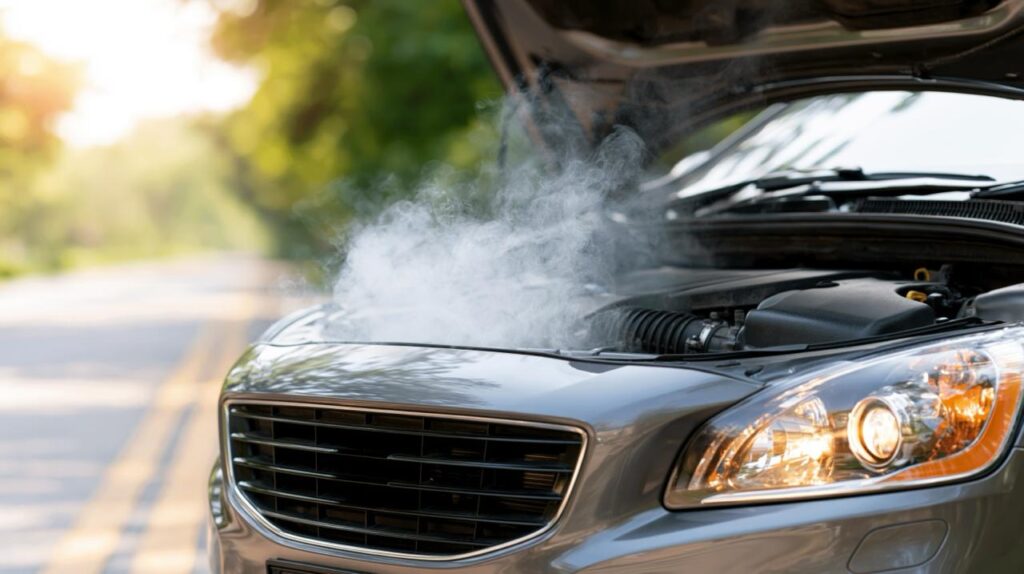
A starter uses a large amount of electrical power, so repeated starting attempts can overheat the starter, wiring, or electrical connections, creating smoke or a strong burning smell.
Stop trying to start the vehicle if this happens.
Bad Starter vs. Bad Battery: How to Tell
In some cases, both the battery and the starter won’t let you turn your car on. Here’s how to differentiate between them.
Most likely battery problems:
- Dim headlights
- Weak dashboard lights
- Rapid clicking sounds
Most likely starter problems:
- Bright headlight(s)
- Single click sound
- Engine doesn’t crank
There is no better way to tell than a battery test. If the battery has reached the end of its life, you can also check available Kenny U-Pull used batteries instead of buying an expensive brand-new one.
Bad Starter vs. Bad Alternator: What’s the Difference?
The starter and alternator serve two separate functions:
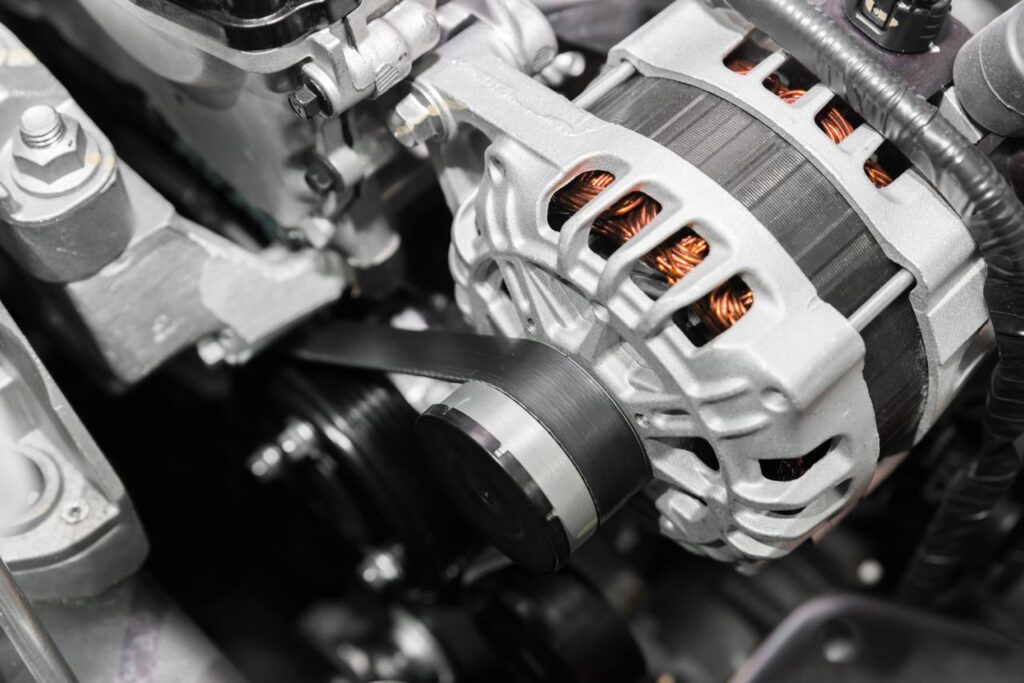
- Alternators generate electricity once the engine starts and maintain the charge level of the battery. A bad alternator typically shows symptoms including warning lights, dim lights, electrical problems, or stalling when the engine is already running.
- The starter turns the engine over and typically fails when trying to start the car.
Read the article about Bad Alternator Symptoms to help determine which part is causing the problem.
What Else Can Cause a Car Not to Start?
A bad starter is only one thing that could lead your car to not run. Additional problems could include a dead battery, loose terminal connections on the battery, damaged wiring, blown fuse, faulty ignition switch, poor fuel delivery, or security system problems. Some automatic vehicles also won’t start if the transmission doesn’t detect ‘Park’ or ‘Neutral’ modes.
Why Do Starters Fail?
Starters fail for many reasons. Over time:
- Internal electrical contact points can wear out
- Gears and bearings can also eventually fail after years of use
- Wiring can heat, corrode, and get damaged
- Repeated attempts to start the engine can also reduce the starter’s lifespan
How to Diagnose a Bad Starter
Before blaming the starter, first check the battery, including the cleanliness and tightness of the terminals. Test the battery voltage, as well as the charging system.
If the battery is healthy but the engine still doesn’t crank, a technician can also test the starter circuit, solenoid, wiring, and starter motor.
Can You Keep Driving With a Failing Starter?
Once the engine is running, a bad starter usually doesn’t stop the car from driving. The problem comes after you shut the engine off, as it can make the vehicle unable to restart.
If starting becomes unreliable, repair the problem before you get stranded.
New, Remanufactured, or Used Starter: Which Should You Choose?
A new starter gives you a brand new part but usually costs the most, while a remanufactured starter has often been rebuilt with worn parts replaced and can be a practical choice for an older car when you want to keep repair costs under control.
You can browse used auto parts at Kenny U-Pull to see what options are available and compatible with your vehicle.
How to Find a Compatible Starter for Your Car
Starters aren’t universal, so the replacement part must match your vehicle’s year, make, model, engine, and transmission.
To do that, search Kenny U-Pull’s vehicle inventory to look for matching vehicles. If the right vehicle isn’t currently available, set up vehicle alerts so you can know when one arrives.
When Is an Older Car Not Worth Repairing?
A starter replacement alone is often worth considering, but the decision changes when the car also needs major engine, transmission, suspension, body, or electrical work.
To make sure you’re making the right decision, add up the repairs and compare that amount with the car’s value and condition. If the repair list keeps growing, you may decide to sell your car instead of putting more money into it.
Frequently Asked Questions About Bad Starters
Can a bad starter drain the battery?
Yes. Repeated attempts to start the engine can drain the battery quickly, especially if the starter is stuck or drawing too much power.
Can you jump-start a car with a bad starter?
A boost helps if the battery is weak, but it won’t solve a mechanical or electrical failure inside the starter.
Can a starter fail without warning?
Yes. Some starters fail suddenly, but many show earlier signs such as clicking, slow cranking, unusual noises, or occasional no-start problems.