If seeing the temperature gauge climb is stressful, imagine steam coming from under the hood. It’s even worse.
If your car is overheating, something in the cooling system isn’t doing its job properly. The problem can be simple, such as low coolant, or serious, such as a blown head gasket. Acting quickly will help you avoid major engine damage and likely save you money.
What Are the Signs Your Car Is Overheating?
The most obvious sign is a temperature gauge moving into the hot zone. However, you may also notice:
- A temperature warning light
- Steam from under the hood
- A sweet coolant smell
- Reduced engine power
- Coolant leaking under the car
- Unusual ticking or knocking sounds
If you notice these signs, stop driving immediately because something is wrong.
What Should You Do If Your Car Starts Overheating?
If the air conditioning is on, turn it off and then pull over somewhere safe as soon as possible, shut the car off and let the engine cool completely. Don’t open the radiator cap while the engine is hot because the cooling system is under pressure and hot coolant can cause serious burns to your body. Once the engine has cooled, check the coolant level and look for obvious leaks.
If the car overheats again, have it inspected before driving farther.
10 Common Reasons a Car Overheats
1. Low Coolant
Coolant is responsible for absorbing heat from the engine and carrying it to the radiator. If the coolant level falls too low, the engine will begin to run hotter than intended because the system can’t control it.
In most cases, low coolant indicates there is a leak in the cooling system. This could happen at different locations, including the radiator, hoses, the water pump, the reservoir, and other connections.
2. Coolant Leak
As mentioned before, coolant can leak from hoses that carry the coolant from the radiator to the engine block, the reservoir where coolant is stored, the water pump that pushes coolant through the engine, a corroded radiator, or loose connections in the cooling system.
You may notice symptoms, including coloured fluid dripping underneath the vehicle, a sweet odour after driving, or puddles forming around the bottom of the vehicle.
3. Bad Thermostat
Thermostats regulate when coolant flows through the radiator or remains in a circuit surrounding the engine. If the thermostat gets stuck closed, coolant can’t circulate through the radiator, and engine temperatures rise quickly.
4. Failed Radiator Fan
Many modern vehicles rely on a fan mounted behind the radiator to pull air through it when travelling at low speeds or sitting still. If this fan stops working properly, the engine may overheat in traffic or during long periods of idle.
5. Clogged or Damaged Radiator
Radiators contain numerous tubes that help move coolant throughout the cooling system. If these tubes get clogged or restricted due to bent fins or rust buildup within them, less heat will be dissipated, and engine temperatures will rise.
6. Bad Water Pump
A malfunctioning water pump reduces the amount of coolant being circulated through the cooling system and creates quick increases in engine temperatures.
Signs of a failing water pump typically appear early on and include leaks and unusual noise such as grinding coming from near the pump.
7. Damaged Serpentine Belt
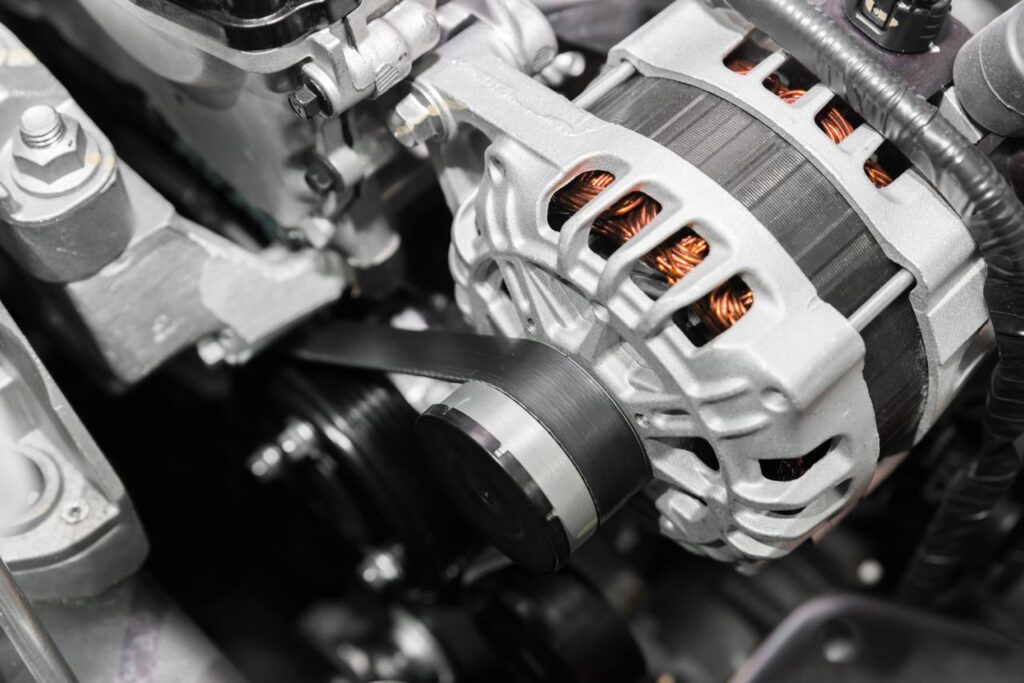
Many modern engines use a serpentine belt to drive several accessories, including the alternator and, on some vehicles, the water pump. If the belt slips, becomes badly worn, or breaks on an engine with a belt-driven water pump, coolant circulation can drop or stop, causing the engine to overheat.
8. Bad Radiator Cap
The radiator cap helps maintain pressure in the cooling system, which means a worn or damaged cap can let pressure escape, lower the coolant’s boiling point, and contribute to overheating.
9. Air in the Cooling System
Air pockets can prevent coolant from flowing properly. This often happens after cooling system repairs or when coolant has been lost. In such cases, the system may need to be bled correctly to remove trapped air.
10. Blown Head Gasket
A blown head gasket is one of the more serious causes of overheating because it can allow coolant to enter the engine cylinders or mix with engine oil, leading to coolant loss, poor lubrication, repeated overheating, and serious internal engine damage if the problem is not repaired. Warning signs include white exhaust smoke, low level of coolant, bubbles in the reservoir, or milky oil.
Why Does My Car Overheat While Idling or Driving?
If your car overheats mainly while idling, the radiator fan is a common place to start looking.
At highway speed, natural airflow helps cool the radiator. While sitting in traffic, the fan becomes much more important. If overheating happens while driving, look for low coolant, a failing thermostat, poor coolant circulation, radiator problems, or a bad water pump.
Why Is My Car Overheating Even Though It Has Coolant?
Having coolant in the reservoir doesn’t mean the entire system is working correctly. A car overheating even with enough coolant can mean the thermostat is stuck, the water pump is failing, the radiator is blocked, or air is trapped inside the system. You can also have coolant in the reservoir without having enough coolant flowing through the engine.
Can You Drive an Overheating Car?
The short answer is no.
You shouldn’t continue driving an overheating vehicle because excess heat can warp engine parts, damage seals, ruin the head gasket, and turn a smaller repair into a major engine problem. Rather, stop, let the engine cool, and find the cause before continuing.
Which Cooling System Parts Can Be Replaced With Used Parts?
Some cooling system parts are good candidates for used replacement parts, depending on their condition, including radiator fans, fan shrouds, coolant reservoirs, brackets, housings, and some radiators.
You can check available used auto parts at the closest Kenny U-Pull location when repairing an older vehicle and trying to control costs.
Common Wear items such as hoses, belts, caps, and thermostats should be carefully inspected before purchase used. Certain cooling system items like head gaskets, pump seals, and bolts are not meant to be reused and should be replaced with new parts. are usually better replaced with new parts.
How to Find Compatible Cooling System Parts
Cooling system parts vary between engines, trims, and model years, so start with your vehicle’s year, make, model, engine size, and part number when available.
Check Kenny U-Pull inventory to find matching vehicles. You can also check the auto parts price list before visiting so you have a better idea of what the replacement part may cost.
When Does an Overheating Car Become Too Expensive to Repair?
A hose, thermostat, fan, or radiator repair can still make sense on an older car. The decision gets harder when overheating has damaged the head gasket, cylinder head, or engine.
If the repair cost keeps climbing and the vehicle already has other serious problems, you may decide to sell your car instead.
How to Prevent Your Car From Overheating
Check coolant levels regularly, deal with leaks early, inspect hoses and belts for cracks, swelling, or wear, and pay attention to temperature changes and warning lights instead of waiting for steam.
Regular cooling system maintenance is much cheaper than repairing an overheated engine.
Frequently Asked Questions About Car Overheating
Can low oil cause a car to overheat?
Very low oil can increase engine friction and heat. However, cooling system problems remain a more common cause of overheating.
Can I add water if my car is overheating?
Water can help in an emergency after the engine has fully cooled, but the correct coolant mixture is better for normal use.
Why does my car overheat and then go back to normal?
An intermittent fan, sticking thermostat, trapped air, or changing coolant flow can cause temperature swings. Have the system checked before the problem gets worse.