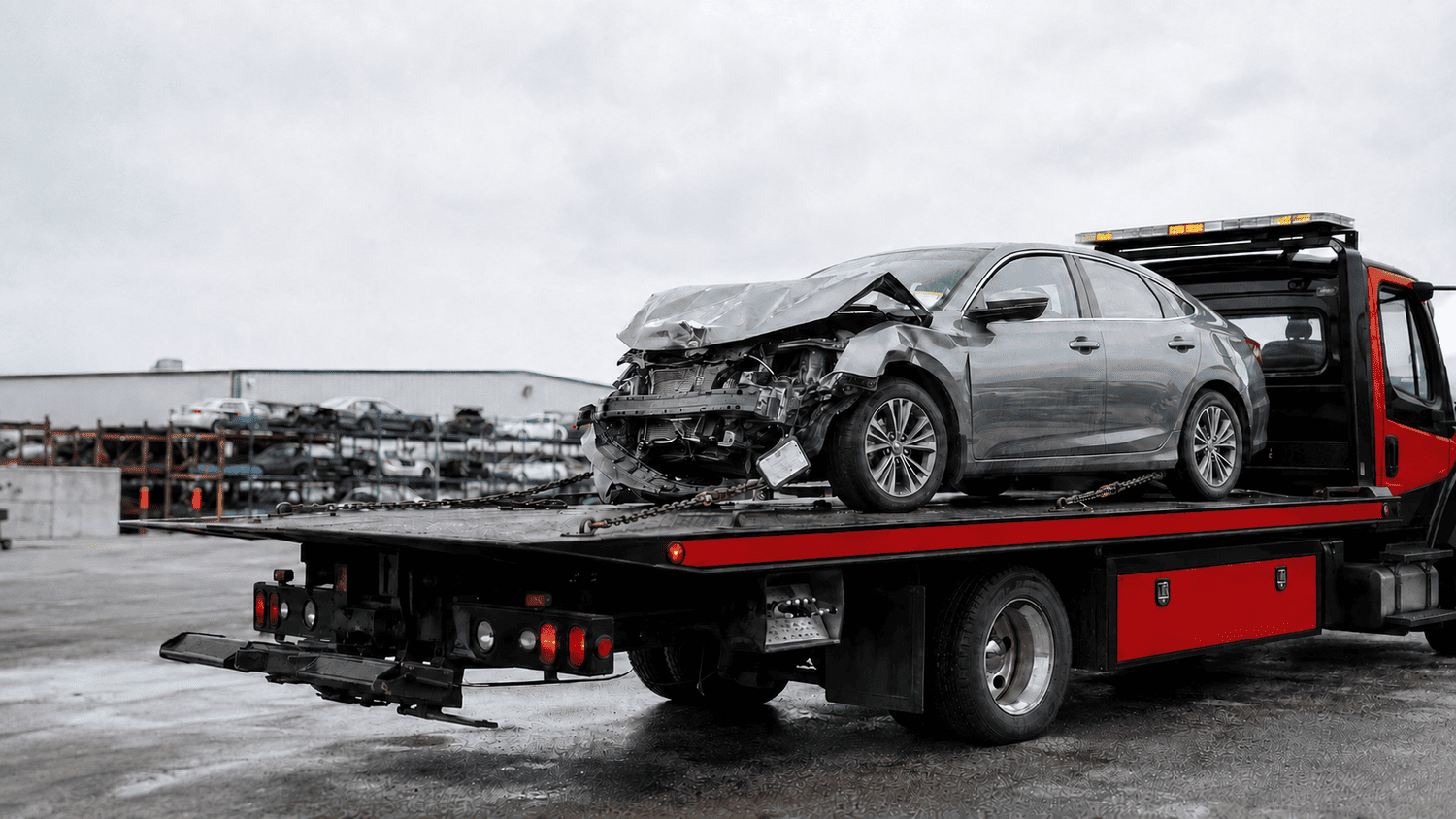
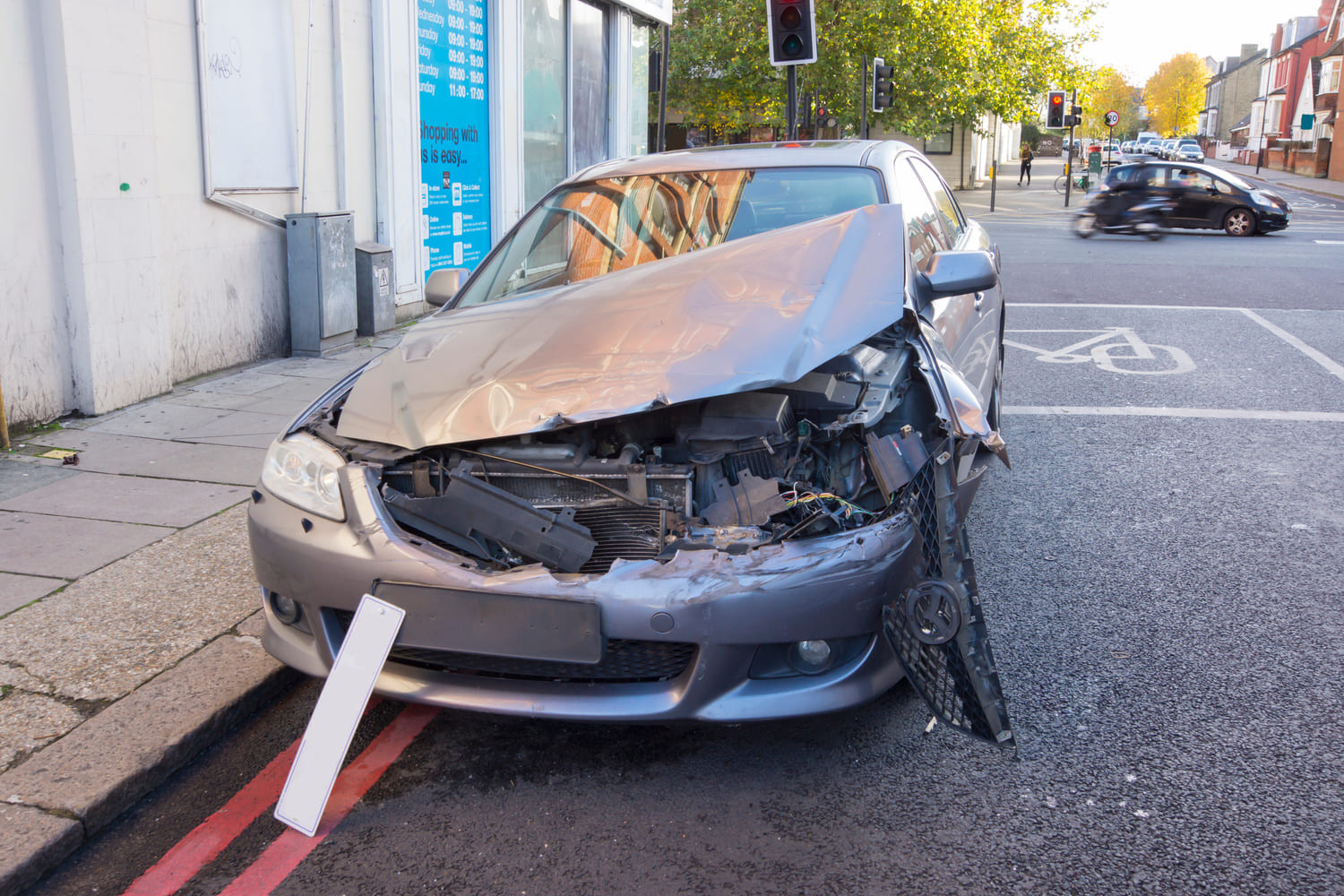
A damaged or unwanted vehicle often leads people to search for “salvage my car for cash”, and you likely want to know how buyers decide what to offer and whether selling now makes sense.
Your vehicle’s salvage value comes from what remains useful, such as working parts, recyclable metal, and local demand, which all affect the final offer.
What Is Salvage Value?
Salvage value is the amount a vehicle is worth after it has been damaged, written off, or reached the end of its useful life. It reflects the money that can be recovered by selling the vehicle, reusing its parts, or recycling its materials.
Two vehicles from the same year can receive different offers because their damage, parts, mileage, and local demand are different. That’s why the value isn’t a fixed percentage of the car’s original price.
How Insurance Companies Calculate Salvage Value
An insurer first looks at what the vehicle was worth before the damage. It then reviews the repair estimate and the amount that can still be recovered from the damaged vehicle through a commercial sale, as explained in the what is a totalled car post.
Salvage value means the amount that can legally be recovered through commercial disposal. If an approved buyer purchases the damaged vehicle, the price paid can establish that value. The insurer uses salvage value as part of the total loss calculation, not as the full insurance settlement.
Factors That Affect Salvage Value
Age
Newer vehicles often have a higher salvage value because their parts fit cars that are still common on the road. Older vehicles can also hold strong value when their parts are rare or hard to replace.
Mileage
Lower mileage can make engines, transmissions, and other mechanical parts more attractive to buyers. High mileage can reduce demand for these parts, although it doesn’t remove the value of the vehicle’s metal and other usable components.
Vehicle Condition
A complete car with working systems usually brings a stronger offer than a burned, flooded, stripped, or heavily crushed vehicle. The location of the damage also matters. A collision at the front can destroy some parts while leaving the rear body panels, wheels, and interior untouched.
Make and Model
Popular vehicles often have more demand for replacement parts. A common pickup truck, SUV, or compact car can be worth more to a recycler when local drivers frequently need its components. Rare vehicles, on the other hand, are different because their parts can be valuable, but finding a buyer can take longer.
Local Demand for Parts
Demand changes by region and season. Engines, transmissions, body panels, headlights, mirrors, wheels, and electronic controls can raise the offer when local repair shops and drivers need them.
Why Some Scrap Cars Are Worth More Than Others
A vehicle with reusable parts can earn a better offer than a similar vehicle that must go straight to metal recycling because scrap cars aren’t valued by weight alone.
The vehicle’s size, condition, completeness, location, and current metal prices also matter. Understanding the main factors that affect junk car value in Canada can help you see why two similar cars receive different offers.
How Used Auto Parts Increase Vehicle Value
A car can stop running while many of its components remain useful, as working alternators, starters, doors, wheels, engine parts, or interior controls can help repair another vehicle.
This reuse adds value before the remaining metal is processed. Learning about the role of car parts recycling shows how recyclers recover more from a vehicle than raw metal alone.
Used components also give drivers a less expensive repair option. That is why checking an auto parts salvage yard before buying new parts can save money and extend the life of parts that still work.
Salvage Value vs Market Value
Market value is the value your vehicle would have sold for before major damage, based on its age, mileage, condition, features, and comparable vehicles.
Salvage value is what the vehicle is worth after the damage or at the end of its useful road life. It’s normally much lower because the buyer must account for towing, handling, dismantling, and the condition of the remaining parts.
How to Increase Your Vehicle’s Salvage Value
First, give the buyer complete and accurate information. Share the year, make, model, mileage, condition, location, and details about working parts. Mention recent repairs, a newer battery, good tires, or valuable equipment that remains with the vehicle.
Keep your ownership records and vehicle history available. Don’t remove parts before asking for a quote because doing so can reduce the offer. Some steps for maximizing scrap car value can help you prepare before selling.
Should You Sell or Repair a Damaged Vehicle?
To have a clear answer, compare the full repair cost with the vehicle’s value after the work is complete. Include parts, labour, towing, inspections, and hidden damage.
Repairing makes sense when the damage is limited, and the car will remain safe and dependable. Selling often makes more sense when repair costs keep growing, or the vehicle has serious structural, fire, or flood damage.
A direct comparison between repairing and junking a car can help you make a practical choice.
Get an Accurate Salvage Value Estimate
An online estimate becomes more accurate when you provide honest details. The buyer needs to know whether the vehicle runs, which parts are missing, how severe the damage is, and where the vehicle is located.
Kenny U-Pull’s cash for cars service lets you request an offer for vehicles in different conditions. The service includes free towing, so transport costs don’t reduce the amount you receive.
Locations Where Kenny U-Pull Buys Vehicles
Kenny U-Pull buys vehicles through locations across Canada, including Saguenay, Drummondville, Sainte-Sophie, and more locations.
Your damaged vehicle is not worthless. A clear estimate shows what its parts and materials are worth and gives you a simple path to turn it into cash.